
From a radical new Honda three-cylinder engine, to Ferrari’s wacky oval-shaped pistons, to the latest Toyota Hilux, things aren’t the way they were yesterday. Here, we’ll round up the biggest news stories of the last 24 hours on AutoBlog and divvy them up into bite-sized chunks that get right to the heart of the story, allowing you to go deeper if you want.
Honda has a new V-shaped three-cylinder for motorcycles
View the 2 images of this gallery on the
original article
Honda has a radical new V3 engine. Up until this engine’s 2024 debut, all previous V-type three-cylinder engines have been two-stroke. This one is double that, using a liquid-cooled four-stroke cycle with a 75-degree angle between banks, displacing 900ccs. The funky engine also uses a new E-Compressor layout, integrating an electronically-controlled compressor mounted on the forward cylinder bank, feeding the airbox. To find out more about how the radical new type of forced induction works, read on below.
Read More: Honda’s New V3 Engine Ditches Turbos and Superchargers for Something Smarter
Toyota won’t put the new Hilux on the Tacoma’s platform
Toyota
This month, the latest Hilux marked the model’s eigth generation. The truck uses a 20-year-old body-on-frame layout that’s been around in one form or another since 2004. The platform has been updated since then, of course, but it’s also rather old. It’s the ethos of Toyota’s continued focus on using what’s working instead of chasing the latest tech. However, Toyota does have both with the Tacoma’s TNGA-F platform (also used in the Lexus GX and others). However, the brand passed on the platform for some very Toyota reasons. To find out more, read on below.
Read More: Why Toyota Refused to Put the “New” Hilux on the Same Platform as the Tacoma
GM’s passionate V8 owners argue for thicker oil
Chevrolet 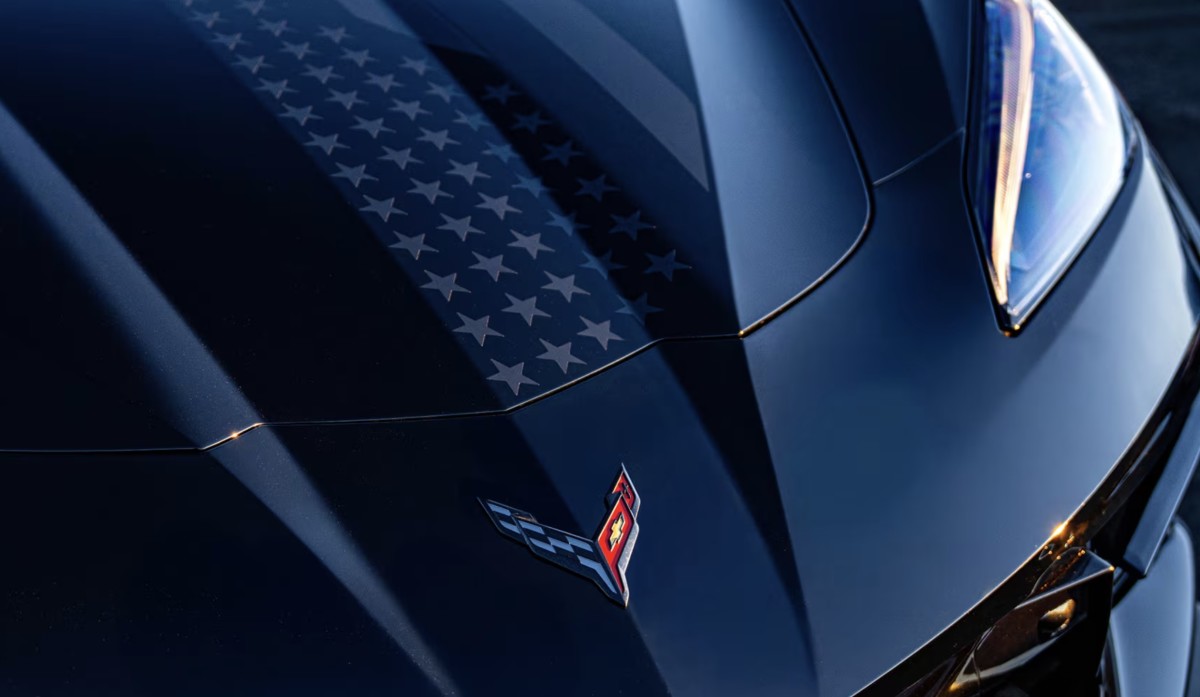
General Motors has faced substantial engine reliability challenges with its current V8 lineup, leading to multiple recalls affecting hundreds of thousands of vehicles. The primary culprit behind these failures has been identified as inadequate lubrication in critical engine components. When thin oil struggles to maintain proper film strength under high temperatures and loads, metal-to-metal contact occurs, resulting in premature wear and catastrophic engine damage. So, owners want thicker oil. To read about GM’s compromise and how it relates to the Trump Administration’s new CAFE standards, read on below.
Read More: GM Enthusiasts Want Thicker Oil for the Next-Gen V8 — and GM May Finally Agree
Ferrari’s wacky oval pistons make a lot of sense
European Patent Office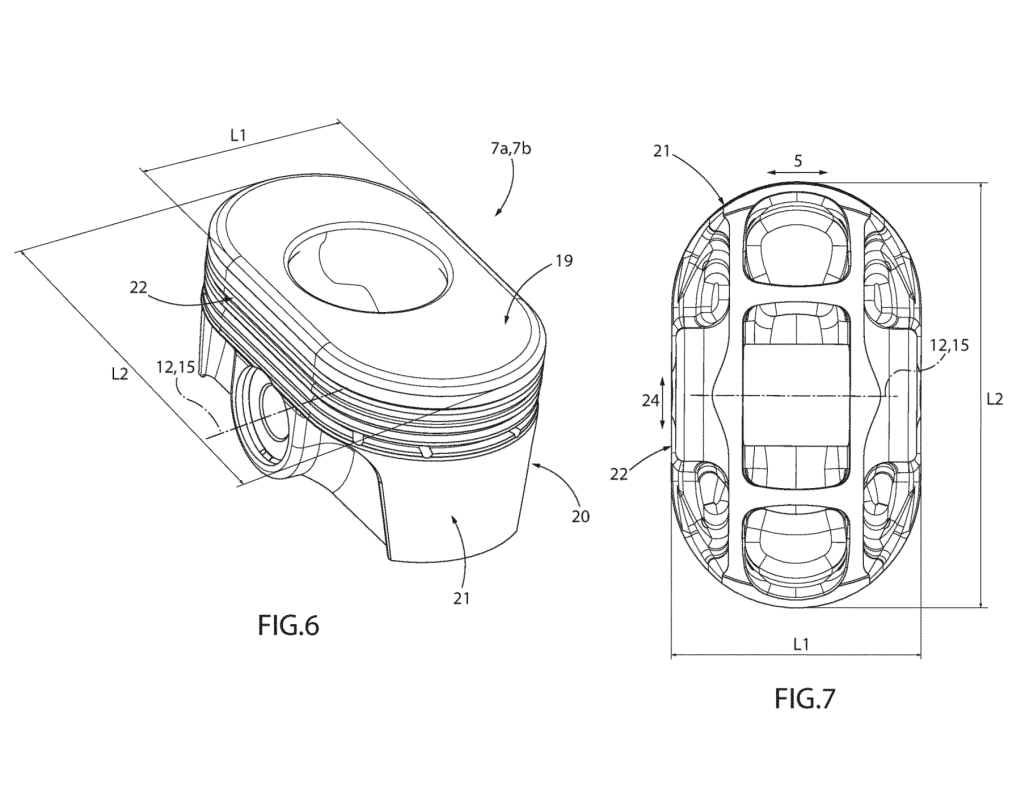
Ferrari has filed protection for what engineers call a stadium-shaped or pill-shaped piston design. Instead of the traditional cylindrical form, these pistons are ovals with elongated sides. Ferrari’s innovation lies in the orientation. The long side of each oval piston lies perpendicular to the crankshaft. This arrangement allows the short dimension of the piston to run parallel to the crankshaft, which means the entire engine becomes significantly shorter from front to back. It’ll greatly aid in packaging and indicates Ferrari is still exploring future gasoline tech despite shifts towards increased hybridization. To learn more about how these strange piston designs can help make engines more efficient, check out the full story below.
Read More: Ferrari’s Radical Oval Pistons Could Rewrite the Future of Gas Engines

