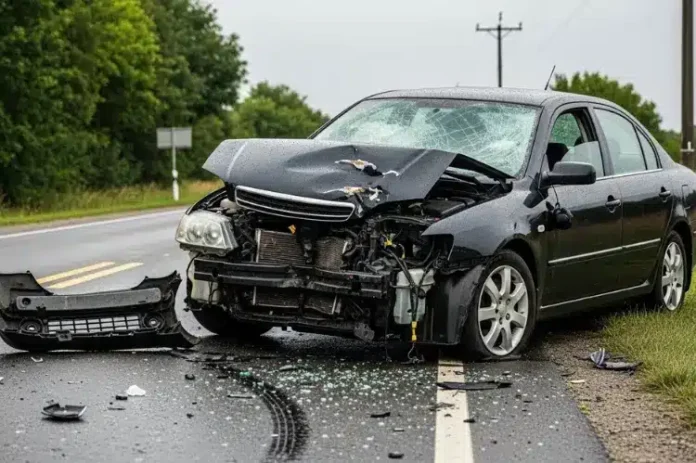
Getting into a car accident is stressful enough, but discovering that the at-fault driver has no insurance can feel like a devastating blow. You’re left injured, your vehicle is damaged, and you’re wondering who will pay for everything.
The good news is that you still have options for seeking compensation, even when the responsible party lacks insurance coverage.
Understanding the Uninsured Driver Problem
Driving without insurance is illegal in most states, yet millions of motorists continue to operate vehicles without proper coverage. Despite legal requirements and hefty penalties, a significant portion of drivers on the road today are uninsured or underinsured, putting innocent victims at financial risk when accidents occur.
When an uninsured driver causes an accident, they become personally liable for all damages. However, collecting compensation directly from an individual who couldn’t afford insurance in the first place often proves challenging. Many uninsured drivers lack sufficient assets to cover the full cost of injuries and property damage they cause.
Your Insurance Coverage Options

“The most reliable protection against uninsured drivers comes from your own insurance policy,” says A Abana, a renowned Las Vegas auto insurance company.
Uninsured motorist coverage, often abbreviated as UM coverage, is specifically designed to protect you in these situations. This coverage steps in to pay for your medical expenses, lost wages, and other damages when an at-fault driver has no insurance.
Many states require insurance companies to offer uninsured motorist coverage, and some states make it mandatory. This coverage typically mirrors your liability limits, meaning if you have one hundred thousand dollars in liability coverage, your UM coverage would provide the same amount. It’s an affordable addition to your policy that can save you from financial devastation.
Underinsured motorist coverage, or UIM coverage, works similarly but applies when the at-fault driver has insurance that’s insufficient to cover your full damages. If your medical bills and other losses exceed their policy limits, your UIM coverage can bridge the gap and provide additional compensation up to your policy limits.
Filing a Claim with Your Insurance

When you discover the at-fault driver is uninsured, contact your insurance company immediately to report the accident and inquire about your uninsured motorist coverage. Provide them with all documentation, including the police report, photos of the accident scene, medical records, and any information you have about the other driver.
Your insurance company will investigate the claim just as they would any other. They’ll verify that the other driver was indeed uninsured and determine the extent of your damages. Be prepared to provide detailed documentation of all your injuries, medical treatments, property damage, and financial losses resulting from the accident.
Keep in mind that filing an uninsured motorist claim shouldn’t increase your insurance premiums since you weren’t at fault. However, insurance company practices vary, so it’s worth confirming this with your provider. Document all communications with your insurer and follow up regularly on your claim’s progress.
Personal Injury Lawsuits Against Uninsured Drivers
Even without insurance, the at-fault driver remains personally liable for the damages they caused. You have the right to file a personal injury lawsuit against them to seek compensation. A court judgment can establish their legal responsibility and create a debt they must pay, though collecting on that judgment presents its own challenges.
Before pursuing litigation, consider whether the uninsured driver has assets worth pursuing. If they own property, have savings, or earn a significant income, a lawsuit might be worthwhile. However, if they’re judgment-proof with no assets or income to garnish, winning a lawsuit may only result in an uncollectible judgment.
Some victims successfully collect compensation over time through wage garnishment or property liens. Courts can order a portion of the defendant’s wages to be withheld and paid toward the judgment. If the uninsured driver owns a home or other significant property, a lien can ensure you receive payment when they eventually sell.
State Compensation Funds and Programs
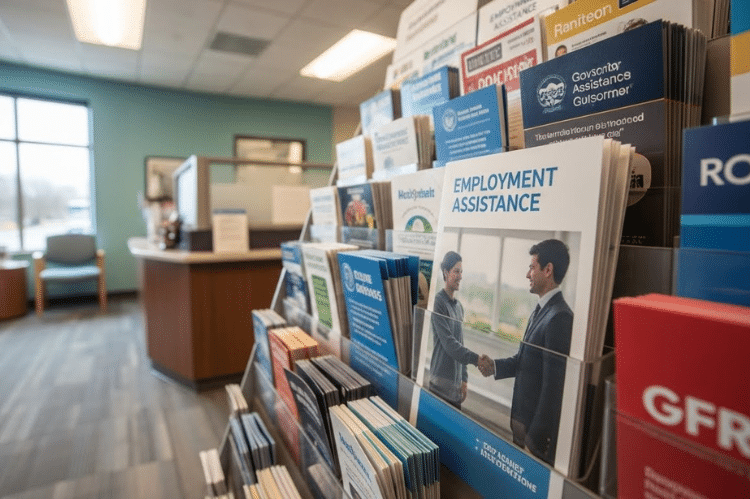
Certain states maintain special funds or programs designed to help victims of uninsured drivers. These programs vary significantly by location, with some offering limited compensation for medical expenses and lost wages. Research your state’s specific programs or consult with a personal injury attorney familiar with local resources.
Some states have victim compensation programs that provide assistance for violent crimes, including hit-and-run accidents where the driver fled the scene. While these programs typically offer limited benefits, they can help cover immediate medical expenses and other urgent needs while you pursue other compensation avenues.
The Importance of Medical Documentation
Regardless of how you seek compensation, thorough medical documentation is crucial for your claim. Seek medical attention immediately after the accident, even if you don’t think you’re seriously injured. Some injuries manifest symptoms days or weeks later, and delayed treatment can complicate your claim and recovery.
Follow all treatment recommendations from your healthcare providers and attend every scheduled appointment. Keep detailed records of all medical visits, treatments, prescriptions, and related expenses. This documentation forms the foundation of your compensation claim, whether you’re filing with your insurance company or pursuing legal action.
When to Hire an Attorney

Navigating claims involving uninsured drivers can be complex, especially when dealing with insurance companies or considering litigation. A personal injury attorney can evaluate your case, explain your options, and handle negotiations with insurance companies on your behalf. Most personal injury lawyers work on contingency, meaning they only get paid if you receive compensation.
An experienced attorney understands the tactics insurance companies use to minimize payouts and can fight for the full compensation you deserve. They can also investigate whether other parties might share liability, such as a vehicle owner who allowed an uninsured person to drive their car or a bar that overserved an intoxicated driver.
Protecting Yourself for the Future
The best protection against uninsured drivers is ensuring you have adequate uninsured and underinsured motorist coverage before an accident happens. Review your insurance policy today and consider increasing your UM and UIM coverage to match your liability limits. The modest additional premium provides invaluable peace of mind.
Being hit by an uninsured driver doesn’t mean you’re without options for compensation. Through your own insurance coverage, legal action, or state programs, you can pursue the financial recovery you need to heal and move forward. Take action quickly, document everything thoroughly, and don’t hesitate to seek professional guidance when navigating this challenging situation.

